
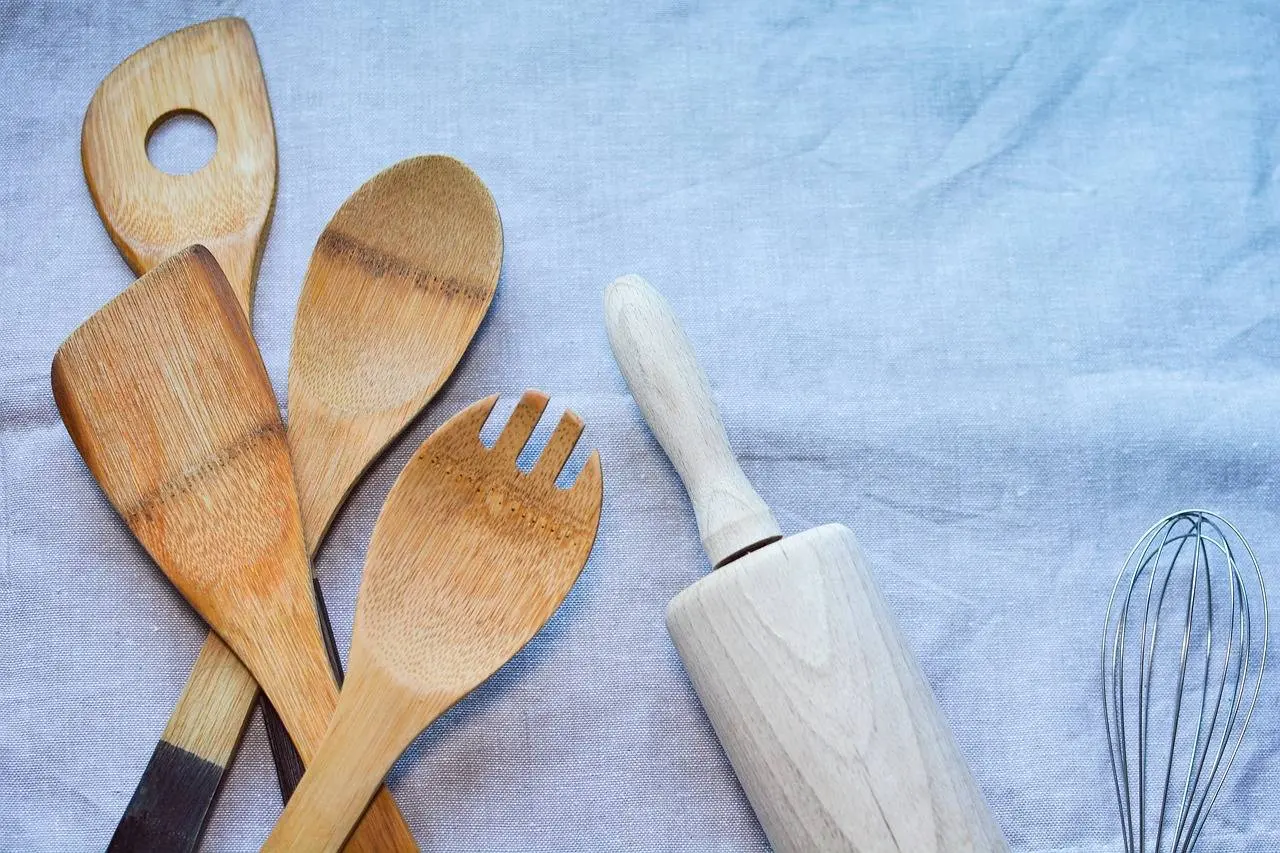
Setting up a baking kitchen can feel expensive, but you need fewer tools than you think. Essential baking equipment starts with sturdy baking sheets, mixing bowls, parchment, accurate measuring tools and a rolling pin.
For a wider look at pantry staples alongside tools, see the baking ingredients and kitchen guide.
| Item | Value |
|---|---|
| Supplies on Taste of Home’s essential list | 22 essential baking supplies |
| Baking sheets stocked by America’s Test Kitchen’s test kitchen | More than 950 baking sheets |
| Price of America’s Test Kitchen’s favorite bench scraper | About $8 |
| Most accurate way to measure ingredients | By weight |
| Mixing bowl material Taste of Home’s editor prefers | Glass over plastic |
These figures come from America’s Test Kitchen and Taste of Home. Prices and product lists can change, so check the source before you rely on them.
Start with baking sheets, bowls and parchment
A rimmed baking sheet does more work than any other pan in a home kitchen. America’s Test Kitchen’s editors point out how frustrating it is when a baking sheet warps in the oven, leaving a good batch of cookies misshapen and unevenly baked. Their test kitchen stocks more than 950 baking sheets, and they also use them as roasting pans or paired with a cooling rack, according to their equipment article.
Next come mixing bowls, ideally in a few sizes. The America’s Test Kitchen editors like light metal bowls with wide bottoms and gently curved sides that stay stable when you whip cream or mix a batter. Taste of Home’s editor leans the other way and says to choose glass over plastic because it is microwave-safe and does not cling to past flavors, as that list explains.
Then add parchment paper, which America’s Test Kitchen calls ideal for lining baking sheets when making cookies, bread and galettes. Taste of Home describes it as nonstick, a saver of cleanup and a must for lining cake pans. A King Arthur Baking employee-owner adds that it is durable enough to use as cornets for piping and can be heated to high temperatures, in a King Arthur Baking staff roundup.
Measuring tools that keep recipes consistent
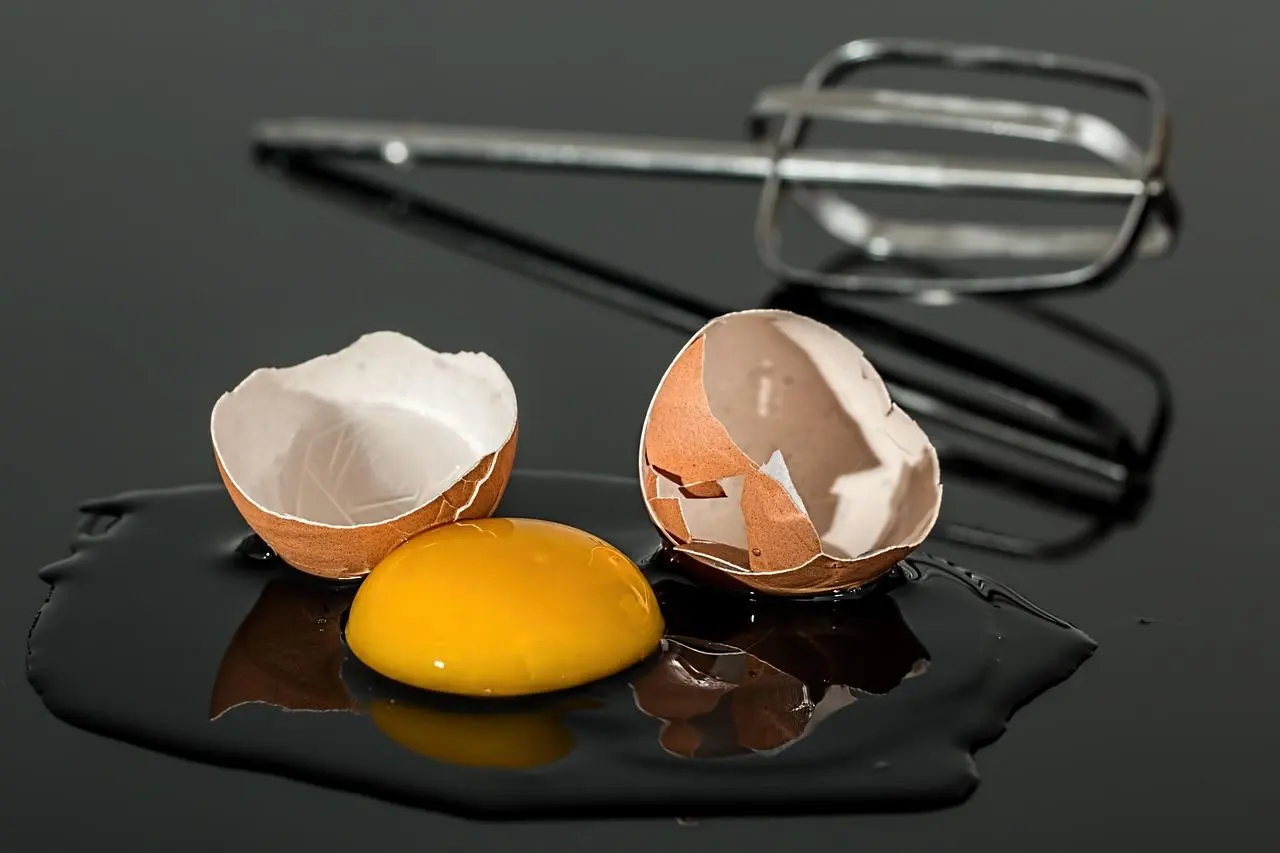
America’s Test Kitchen says baking is all about precise measurements and well-practiced techniques. That is why measuring tools belong near the top of any shopping list, right after the pans. The basic set looks like this, based on Taste of Home’s supply list:
- Liquid measuring cups, which the list calls a must, in a small size for little amounts and a larger one for bigger quantities.
- Dry measuring cups, which the list says are among the first things most bakers buy, with stainless steel versions that are easy to clean.
- Measuring spoons for baking powder, vanilla and other small amounts.
- A kitchen scale for weighing ingredients.
The scale is the tool many beginners skip. Taste of Home says a good set of cups and the proper technique will get you close, but measuring by weight is the most accurate method. If a recipe lists grams or ounces, a scale removes the guesswork.
Tools for dough, butter and portioning
Dough work calls for a few inexpensive helpers. This short list covers the ones the sources mention most:
- A rolling pin for pie crust, pizza dough and biscuits.
- A bench scraper for cutting, shaping and cleaning up.
- A pastry blender for cutting cold butter into flour.
- A cookie scoop for even portions.
A rolling pin matters because a wine bottle is not long enough to roll pie crust, pizza dough or a batch of biscuits evenly across the full width, says America’s Test Kitchen. Taste of Home’s editors say they are fond of French rolling pins for their easy-to-use and easy-to-clean design.
A bench scraper earns its place through variety. America’s Test Kitchen says its favorite has a spacious surface and a sharply beveled edge that suits shaping and cutting dough, scraping counters clean, frosting cakes and moving chopped ingredients from a board to a bowl. The editor adds that it costs about $8, so owning two is realistic.
A pastry blender is shaped like a half moon with sharp blades around the edge, and King Arthur Baking says it makes quick work of dicing cold butter into pea-sized lumps. The same King Arthur Baking tool roundup says a cookie scoop keeps each portion consistent in size, and that equal-sized cookies are uniform in shape and bake more evenly.
Do you need a stand mixer or a hand mixer?
Not on day one. Taste of Home’s editors say a stand mixer can stir up cookie dough and blend cake batter without breaking a sweat, but they also say not every bake needs such heavy equipment. A hand mixer will do the trick when you need whipped cream fast or want a simple cream pie, according to the same list of 22 essential baking supplies.
A reasonable order is to buy the pans, bowls and measuring tools first. Add a mixer once you notice that you are mixing heavy doughs or beating batters often enough to justify the space and cost.
Extras that can wait
Several useful items are better added as your baking habits become clear. Taste of Home’s list also suggests clear airtight containers for storing essentials like sugar and flour, which keep a pantry tidy.
Specialty needs tend to follow the recipes you love. If you plan to make sweets with chocolate, read how to melt chocolate before you shop for anything special.
Equipment is only half of a recipe, and ingredient swaps such as egg substitutes in baking can matter just as much when a pantry runs short. America’s Test Kitchen’s editors note that a good start with sound gear builds confidence, which is useful whatever you bake.
Frequently asked questions
What is the smallest kit I can start baking with?
Show answer
A baking sheet, one or two mixing bowls, measuring cups and spoons, parchment and a rolling pin cover most beginner recipes. Everything else is an upgrade you can add as your recipes demand it.
Is a kitchen scale really necessary?
Show answer
Cups work for casual bakes, but Taste of Home’s editors rank weighing as the most accurate approach to measuring. If you often bake bread, cakes or pastry, a scale is the first upgrade to consider, as shown in their supply guide.
Can I use a bottle instead of a rolling pin?
Show answer
America’s Test Kitchen says a bottle is too short to roll dough evenly across its full width. A proper pin, with a moderate weight and a lightly textured surface, gives more even results, according to the same editors.
Is a bench scraper worth buying?
Show answer
The editors at America’s Test Kitchen use theirs for many jobs, from cutting dough to frosting cakes, and mention a price of about $8 for their favorite. That low cost makes it one of the cheaper tools on this page, as their article shows.