
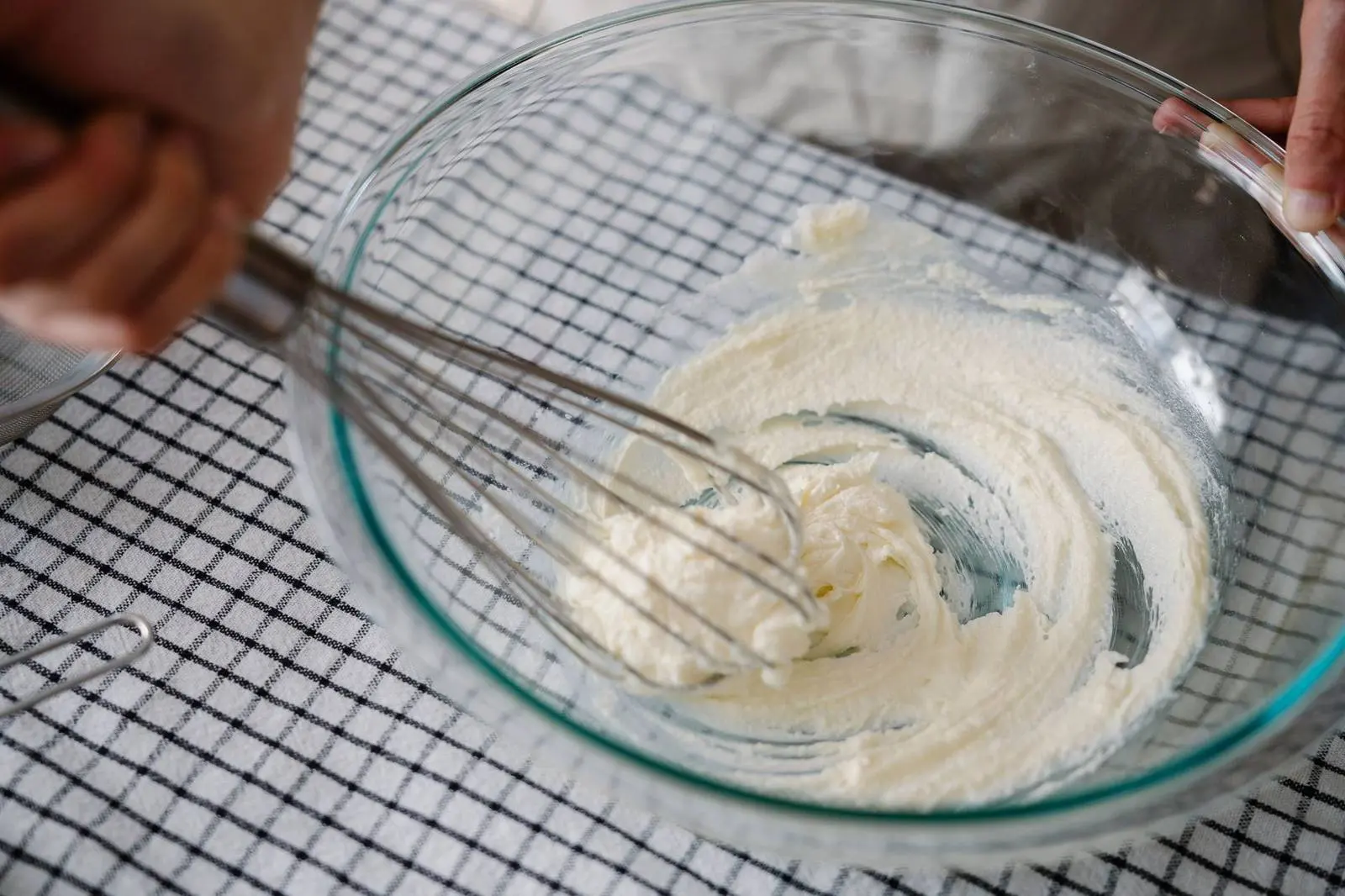
If your cakes bake up dense, the fix may be in your mixing. In creaming method baking, you beat softened butter with sugar until pale and fluffy, then add eggs slowly.
If mixing methods are new to you, the guide to baking for beginners covers the wider basics.
| Item | Value |
|---|---|
| Ideal butter temperature for creaming | About 67 degrees |
| Softened butter, then sugar (conventional method) | About 3 minutes |
| Cold butter creamed with sugar from the start | About 15 minutes |
| Typical creaming time range | 3 minutes to 6 minutes |
The figures in this table come from America’s Test Kitchen and Spatula Desserts, and they can change, so check the source before you rely on them.
What the creaming method does
The creaming method is the process of beating fat, usually butter, with sugar until it turns lighter and fluffier, as Fiveable’s food science notes put it. Many recipes just say “beat the butter and sugar”, and a Yahoo feature explains that this is simply another way of saying “cream the butter and sugar”.
The goal is aeration, not just blending. America’s Test Kitchen explains that the grains of sugar are forced through the fat and leave millions of microscopic air bubbles behind, which gives the butter a fluffy look. In the heat of the oven, those bubbles expand and add to the lightness of the finished bake.
Creaming also sets up an emulsion. According to the Yahoo feature, the aerated butter prepares the batter to combine fat and water into a uniform mixture once eggs or milk go in.
That is why the technique matters in cakes, cookies and some quick breads, according to Fiveable. The same source says butter usually creams well because of its plastic texture at room temperature. Shortening can also cream effectively, while oils cannot, because they stay liquid and do not hold air the same way.
How soft should the butter be?
Temperature is the biggest variable. America’s Test Kitchen found that about 67 degrees, or butter that gives slightly when pressed, is ideal for aeration, as described on its cold versus softened butter page.
The same page says that if the butter is too firm and cold, the fat will not hold air. If it is too soft and warm, the bubbles collapse.
You do not need a thermometer to check. The Yahoo feature suggests a simple press test:
- Press the butter with your finger.
- If it holds the indentation without falling apart, it is ready to use.
- If it is too hard, leave it out at room temperature, which can take several hours depending on your kitchen.
Use softened butter, never melted. The same article notes that melted butter cannot properly hold the other ingredients, so the finished cake loses its texture and structure.
If you forgot to take the butter out, Spatula Desserts suggests cutting it into cubes and letting it sit for 15 minutes at room temperature.
How to cream butter and sugar, step by step
Get your ingredients ready first; the guide on how to measure ingredients for baking helps you set out the right amounts before the mixer starts. Then follow this order:
- Soften the butter until it gives slightly when pressed.
- Fasten a paddle attachment to your stand mixer. The Yahoo feature advises avoiding the whisk, because the butter gets stuck in it and needs repeated scraping. An electric hand mixer also works, according to Spatula Desserts.
- Beat the butter and sugar at medium speed, stopping now and then to scrape the bowl with a silicone spatula so everything mixes evenly.
- Stop when the mixture is light, fluffy and pale yellow.
- Add whisked eggs gradually while the mixer runs.
- Finish with the dry and wet ingredients as your recipe directs.
How long should it take? Spatula Desserts says the creaming can take as little as 3 minutes or as much as 6 minutes, depending on your mixer and how much butter you have. The finished mixture should be pale yellow and nearly doubled in volume.
Do not keep going once you reach that point. The same source warns that continued beating risks overmixing, which makes the bubbles you built begin to deflate so the bake does not rise properly.
Once the batter is mixed, the guide on how to line a cake tin shows how to get it into the oven neatly.
Can you cream cold butter?
Yes, with a trade-off. America’s Test Kitchen reports that you can use cold butter if you add the sugar from the start and are willing to put in the extra mixing time, as set out on its cold versus softened butter page.
Its testers found this took about 15 minutes in total, compared with 3 minutes for the conventional method of beating softened butter first and then creaming it with sugar. Beating cold butter alone also made the texture hard to judge by eye, because there was no sugar in the mix to aerate it.
A second approach comes from the Yahoo feature, which quotes a pastry instructor for last-minute bakes. Her advice runs like this:
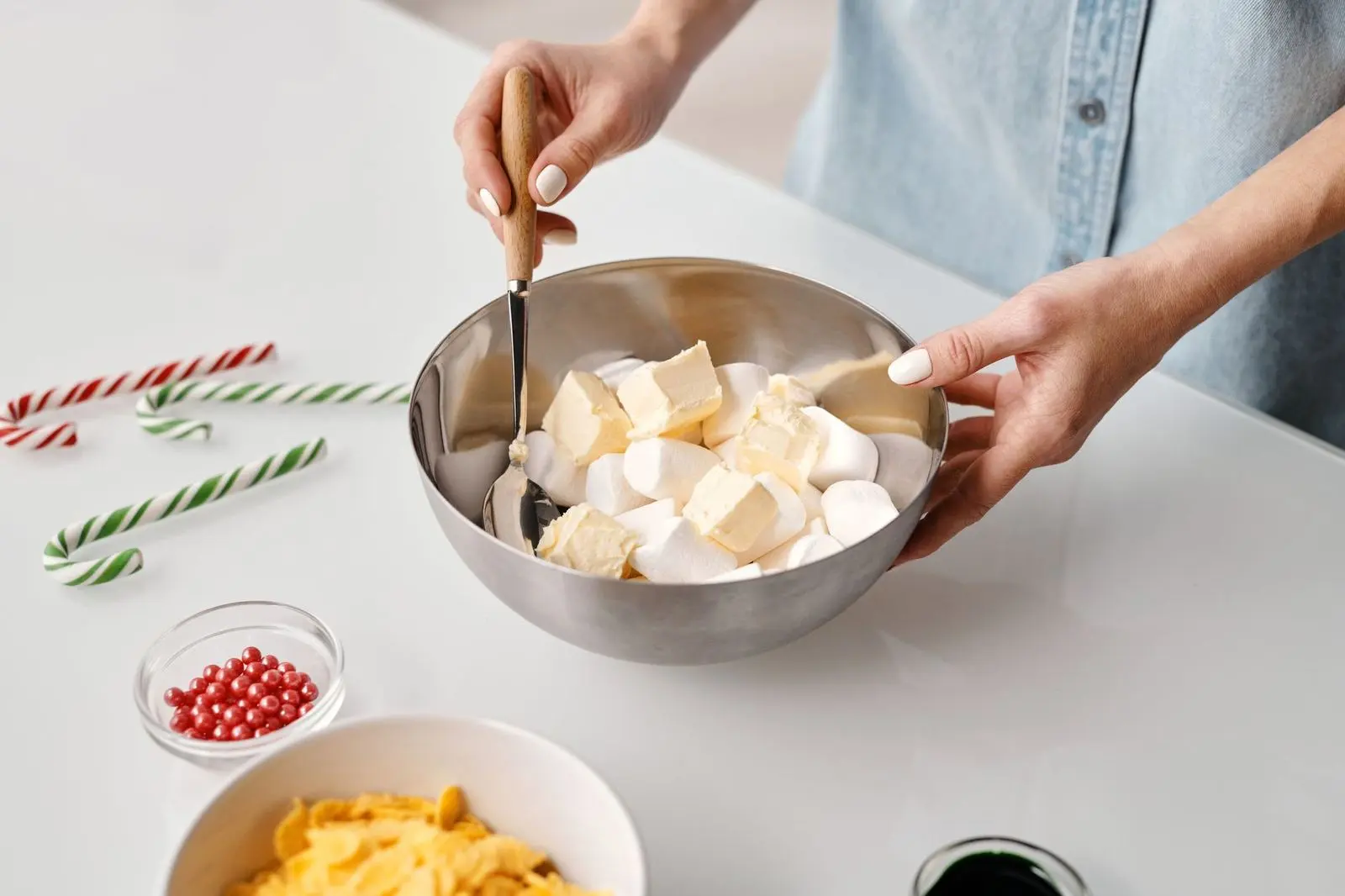
- Chop the cold butter with a bench scraper into ½-inch pieces to bring it up to room temperature quickly.
- Mix the butter without sugar, on a speed slightly higher than medium, until it softens and becomes fluffy.
- Continue with your recipe as usual.
Adding eggs without splitting the batter
Eggs are where many batters go wrong. The Yahoo feature says room temperature eggs are almost always added right after creaming, and that whisking them first helps the creamed mixture stay together.
Adding the eggs one at a time matters too. Spatula Desserts says each egg should be fully blended in before the next goes in, and that adding several eggs together, or cold ones, can make the batter break.
You can also use the eggs as a readiness test. If a bit of whisked egg trickled in leaves the mixture fluffy, the creaming is done; if it looks wet and separated, keep mixing until it turns fluffy again. A curdled look at any point calls for a few more seconds of beating before you add anything else.
After the eggs, the same baking guide recommends starting and ending with the dry ingredients, because the creamed butter mixture can’t absorb much liquid.
Common creaming mistakes
Most problems trace back to a few habits:
- Butter at the wrong temperature: too cold and it will not hold air, too warm and the bubbles collapse.
- Melted butter: it cannot hold other ingredients once mixed, so structure suffers.
- Overcreaming: Fiveable says too much air or a weakened fat structure makes the batter less stable, so a bake may rise and then fall, or spread more than expected.
- High speed: the Yahoo feature recommends a medium speed for creaming.
- Skipping the scrape: unmixed butter on the bowl sides leaves the batter uneven.
Creaming is a balance, not just a longer mixing time. Judge by the look of the mixture, not the clock alone.
Frequently asked questions
Is creaming the same as whipping?
Show answer
No. Fiveable’s food science notes say both add air, but whipping usually means building a foam from cream or egg whites, without the sugar and fat structure that creaming relies on. Read more at Fiveable.
Can you cream butter and sugar by hand?
Show answer
You can use a whisk, but Spatula Desserts warns that it takes quite some work and time. A stand mixer with a paddle or an electric hand mixer is the usual choice.
Does creaming time change cookie texture?
Show answer
It can. Spatula Desserts says how long you cream for cookies depends on the texture you want, with a shorter period suggested for chewier cookies. See the full guide for its examples.
Why does sugar matter in the process?
Show answer
Sugar crystals scrape tiny holes into the fat as you mix, creating spaces that hold air, according to Fiveable. Those pockets expand in the oven and help the finished bake rise.