
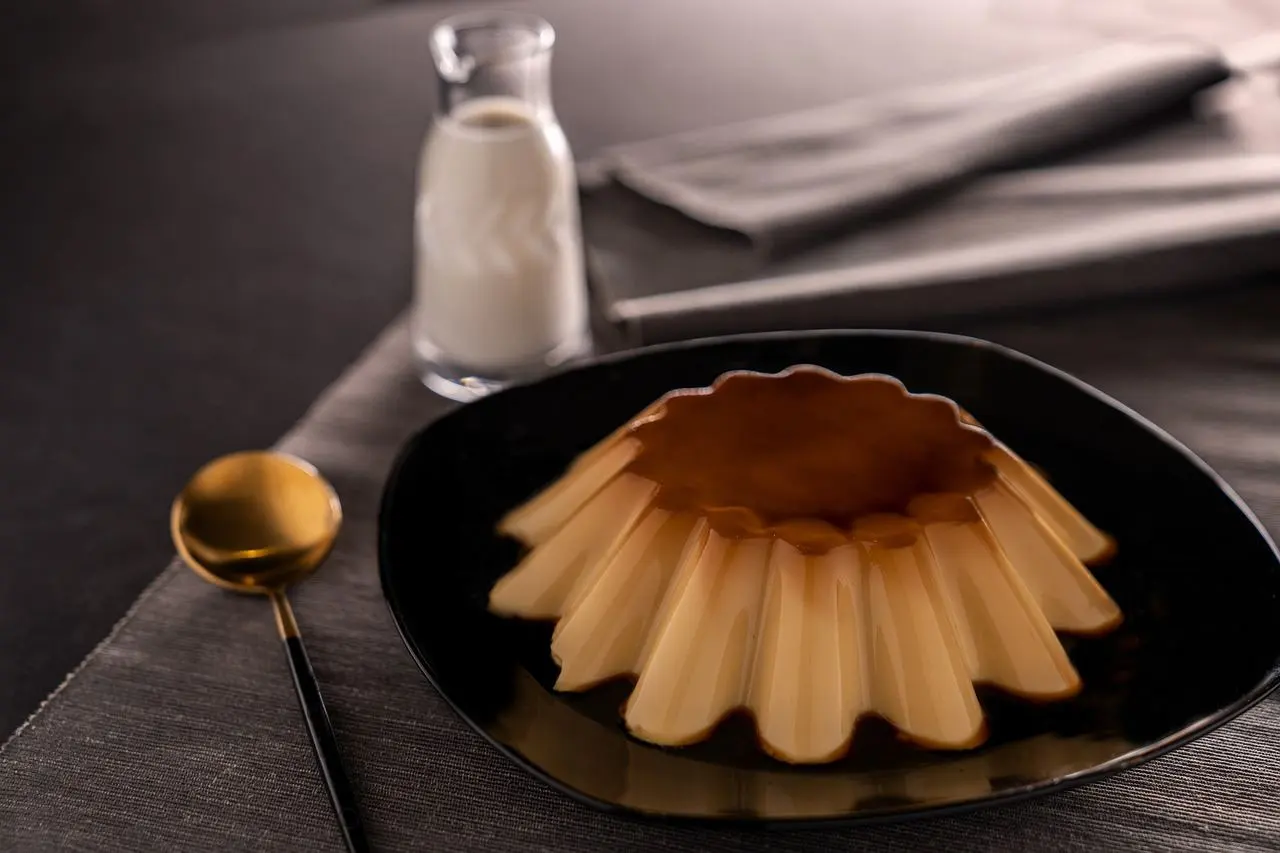
Craving a fudgy tray of chocolate squares with a salty-sweet ribbon through them? This salted caramel brownies recipe guide shows how: cook a dark amber caramel, swirl it into melted-chocolate batter, and bake until just set.
This bake sits comfortably among the easy dessert recipes for anyone who wants a traybake with a little extra polish.
| Item | Value |
|---|---|
| Oven temperature (one published recipe) | 180°C (160°C fan, 350°F) |
| Bake time with homemade caramel | 45-50 minutes |
| Caramel cooking time to dark amber | 8-10 minutes |
| Caramel chilling time before swirling | at least 2 hours |
| Brownie doneness starting point | 200°F (93°C) |
Figures come from The Great British Bake Off recipe and ThermoWorks’ brownie temperature guide. Recipes differ and published pages get updated, so check the source before you rely on any number.
What makes a salted caramel brownie
The base is a melted-chocolate brownie: butter and chocolate warmed together, then sugar, eggs and a flour-and-cocoa mixture. The caramel is a separate component that goes in as a layer or a swirl, and sea salt finishes the top.
The Good Food Middle East method starts simply: “Melt the butter in a medium pan, break in all the chocolate, then remove the pan from the heat and wait for the cubes to melt.” The chocolate melts in the pan’s residual warmth rather than over direct heat.
Typical components across published versions:
- Dark chocolate and butter, melted together
- Sugar, caster, muscovado or a mix
- Eggs, plus flour and cocoa for structure
- Salted caramel, homemade or from a can or jar
- Sea salt flakes for the surface
How to cook the caramel
The Great British Bake Off recipe melts sugar in a medium pan and tells you to “Swirl the pan without stirring for 8-10 minutes, until the caramel has turned a dark amber colour.” The cream is boiled separately, then added with the salt once the caramel is off the heat.
America’s Test Kitchen explains why stirring is discouraged: “Stirring caramel as it cooks isn’t necessary-and it can even be detrimental, as it can cause the sugar solution to splash onto the sides of the pan, where the water will evaporate quickly and the sugar can form back into crystals.”
The same guide says “A heavy-bottomed pot is also critical, as lightweight cookware heats unevenly and creates hot spots where the sugar can burn.” It also prefers an instant-read thermometer to a candy thermometer for speed and accuracy.
- Melt the sugar in a heavy pan over medium heat, swirling rather than stirring.
- Cook to a dark amber colour, then take the pan off the heat.
- Add the salt and warm cream carefully, as the mixture bubbles up.
- Cool it, then “chill for at least 2 hours, until firm but spoonable.”
Swirled or layered?
Published recipes put the caramel in one of two places. In the Good Food Middle East version, half the batter goes into a 23cm square traybake tin, the caramel is added in stripes, and the method then says to “Spoon the rest of the brownie batter on top and smooth it out, trying not to disturb the caramel beneath.”
The Bake Off recipe instead spoons the chilled caramel over the levelled batter and sprinkles a little sea salt on top. That chilled, spoonable caramel is why the recipe builds in a long wait before assembly.
If you like the caramel-and-chocolate pairing, the millionaire’s shortbread recipe is another traybake built around a caramel layer. For a frosted option, a guide on how to make buttercream covers the topping side.
Baking and testing for doneness
The Bake Off recipe heats the oven to 180°C (160°C fan, 350°F). It bakes for 45-50 minutes, until a skewer in the centre comes out pasty but not wet. The Good Food Middle East version, which uses ready-made caramel, bakes for 25-30 mins, until risen to the middle with a firm crust.
America’s Test Kitchen says “A toothpick inserted into brownies should emerge with moist crumbs.” It adds that overbaked brownies are dry and chalky, and the chocolate flavour fades.
A thermometer can back up the skewer. ThermoWorks writes that “a good place to start with your brownie doneness is 200°F (93°C).” The same page notes it varies a little from recipe to recipe.
Cooling matters as much as baking. Good Food Middle East says to “Let it cool completely in the tin, then cut into squares.” Patience here is part of the method, not an optional extra.
Why the top may not crackle
A shiny, crackly top depends on the sugar. America’s Test Kitchen found that “Only the brownies made with granulated sugar took on an attractive sheen and a crackly crust.”
The same guide explains that brown sugar and corn syrup contain more moisture than granulated sugar, so the surface never dries out enough for a crisp crust to form. If a crackly top matters to you, check which sugar your recipe uses.
Frequently asked questions
Can I use ready-made caramel?
Show answer
Yes. The Good Food Middle East recipe does exactly that, stirring sea salt into the caramel to loosen it before layering it into the batter. Check the label on any jar or can you use.
Why did my caramel turn grainy?
Show answer
Sugar crystals are the usual cause. America’s Test Kitchen links crystallisation to sugar splashing onto the pan sides, so swirl the pan instead of stirring and use a heavy pot, as described in its caramel guide.
How do I know the brownies are baked through?
Show answer
Look for a skewer that comes out with moist crumbs or a pasty texture rather than wet batter. A probe reading near 200°F gives a second check, as ThermoWorks suggests.
When should I add the flaky salt?
Show answer
Both published recipes above sprinkle sea salt on before the tin goes into the oven, over the caramel layer. The Bake Off version also stirs salt into the caramel itself.